Inexpensive Auto Repair: Superior Care for Your Vehicle
Cost-effective auto repair blends quality care with budget awareness. Car owners regularly encounter the challenge of discovering dependable mechanics who offer straightforward rates and trustworthy guidance. Knowing when to handle repairs yourself versus seeking skilled intervention can substantially impact vehicle longevity. In addition, maintaining regular upkeep can generate unexpected savings. As the landscape of auto repair keeps changing, learning how to traverse it proves crucial for every car owner. What approaches can be applied to ensure both quality and affordability?
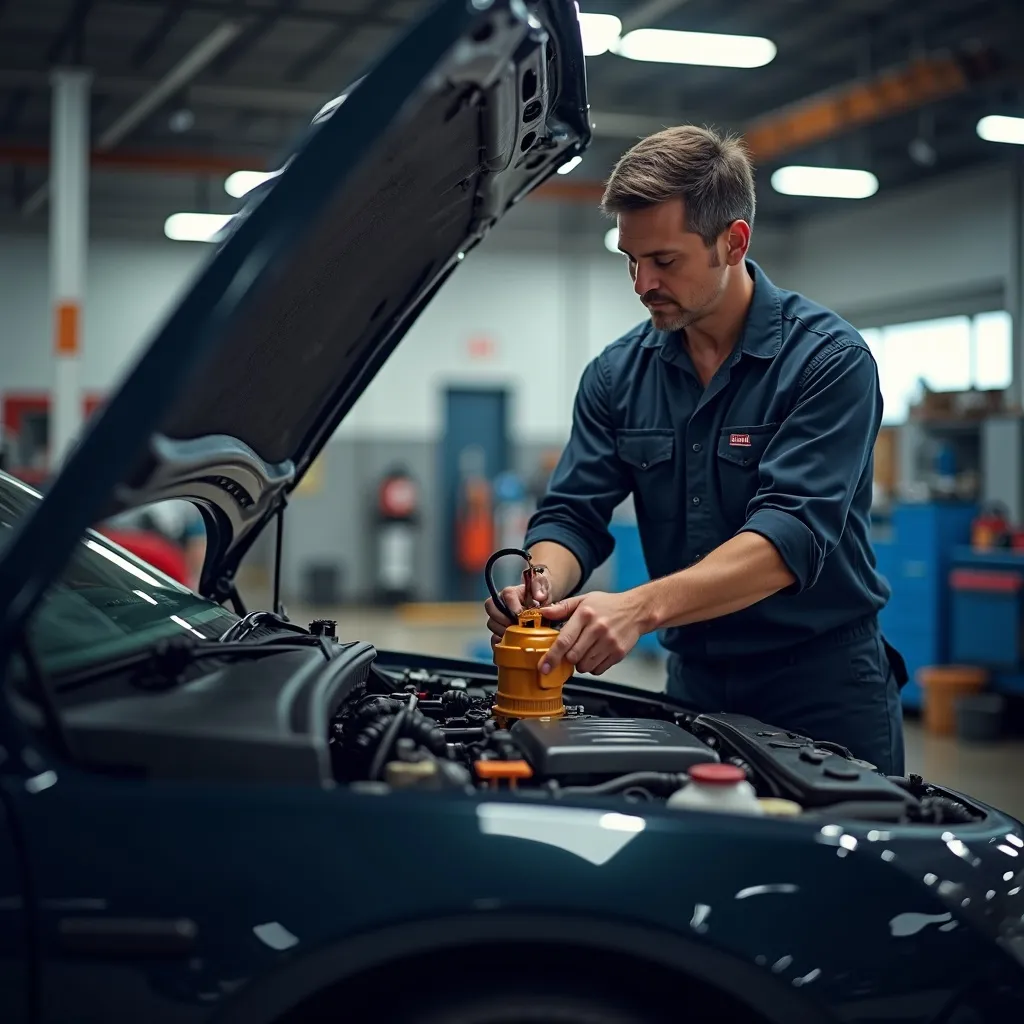
How to Identify a Dependable Mechanic
How can someone locate a trustworthy mechanic among a pool of choices? The process for a reliable mechanic begins with recommendations from family or close contacts, as personal experiences often uncover valuable information. Online reviews and ratings can assist in evaluating a mechanic's reputation. A reliable mechanic usually shows certifications from recognized automotive organizations, demonstrating a commitment to professional standards.
Moreover, openness in pricing and support is a hallmark of integrity; a credible mechanic will provide detailed cost breakdowns and explanations without surprise fees. Checking the shop's environment is also insightful; a clean, organized garage often signals the competence of its staff. Finally, a willingness to answer concerns and explain repairs proves their commitment to customer service, fostering trust. By combining these factors, one can confidently select a mechanic who prioritizes superior work and consistency in auto repair.
Key Inquiries to Pose Your Auto Technician Before Booking?
Before arranging an appointment with a mechanic, it is essential to inquire about important details regarding their expertise and qualifications. Ask about guarantees and warranties for services rendered, as well as pricing and quotes for the work needed. This proactive approach can help guarantee a pleasing and clear service outcome.
Background and Qualifications
Assessing a mechanic’s experience and qualifications is vital to ensure top-notch auto repair. Potential customers should request information about the mechanic's qualifications, which show proper education and proficiency in the field. Inquiring about years of experience can give insight into their knowledge of different vehicle makes and models. Moreover, customers need to weigh if the mechanic has specialized knowledge in certain domains, like electrical systems or transmissions, which might be pertinent to their vehicle's requirements. References or customer reviews can also disclose a mechanic’s record for trustworthiness and service quality. In the end, knowing these credentials helps customers select wisely, guaranteeing their vehicles receive optimal maintenance.
Warranty and Promises
Understanding a mechanic's skillset and qualifications forms the foundation for a positive vehicle service experience, but guarantees and warranties also play an important role in customer confidence. Before booking, customers should ask about the specifics of any guarantees offered. Questions like, "Which parts are protected?" and "What is the warranty duration?" are important for clarity. Additionally, knowing how claims are handled is important; customers should ask, "What steps must I take if an issue arises?" Mechanics who provide clear and thorough warranties show their commitment to quality. Guarantees on labor can also reflect a mechanic's confidence in their work, making sure customers are confident in their investment. Such inquiries facilitate informed decisions and build trust in the repair process.
Pricing and Quotes
Clear estimates and transparent pricing are important for a satisfactory auto repair encounter. Before arranging an appointment, vehicle owners should think about asking numerous critical inquiries to make sure they receive fair and thorough work. First, they should ask about the breakdown of costs, such as components, labor costs, and any additional charges. It's also important to ask how long the repairs will take and if they provide a documented quote. Additionally, customers should clarify whether any guarantees cover the repairs and what the shop's policy is on unexpected costs. Finally, being aware of billing options and credit availability can support in making careful choices. By raising these questions, customers can foster confidence and verify they are receiving superior care for their vehicles.
Establishing When DIY Repairs Outweigh Skilled Support
Deciding whether to perform auto repairs yourself or enlist professional services can be a challenging hurdle for many car owners. For minor issues such as replacing air filters or changing oil, DIY repairs can cut costs and generate a sense of pride. Car owners with fundamental mechanical abilities and the right tools may find these tasks workable and fulfilling.
However, complex issues, like transmission problems or electrical system malfunctions, typically necessitate technical expertise and proper tools. In these cases, experienced mechanics possess the know-how to diagnose and resolve issues effectively, reducing the likelihood of compounding harm. Moreover, warranties on vehicle parts and repairs can be voided if faulty work are attempted. In conclusion, evaluating your skill level, the difficulty level of the undertaking, and anticipated costs is paramount in making the right choice between self-repair and professional services.
Techniques to Discover Discounts on Vehicle Maintenance
Discovering savings on auto services can greatly reduce repair costs. Consumers can explore local promotions, take advantage of loyalty programs, and seize seasonal promotions to enhance their cost reductions. Recognizing these prospects involves some investigation but can lead to substantial financial relief.
Area Incentives And Discounts
A large number of automobile owners chase approaches to cut back on auto maintenance bills, and area promotions and discount codes can supply considerable advantages. These price reductions frequently emerge in local newspapers, web-based sources, and social networking accounts of area service centers. By persistently tracking these channels, vehicle operators can reveal brief-window promotions, recurring discounts, or promotional packages geared toward particular maintenance needs. Furthermore, certain enterprises work alongside local associations and happenings, distributing special promotional codes to participants. Getting onto email circulars from favored service centers can generate beneficial money-saving tips. Taking advantage of these area-based deals beyond minimizes upkeep expenses in addition bolsters local enterprises, forming a positive result for all involved—clients and community financial systems.. In addition, various enterprises work in partnership with local associations and initiatives, distributing exclusive discount vouchers to attendees. Subscribing to news bulletins from preferred repair centers can produce helpful financial guidance. Making use of these community-oriented promotions beyond just reduces upkeep costs but equally supports local shops, establishing a positive outcome for all parties—clients and community economies.|Many automobile owners attempt to economize on vehicle service costs, and area promotions and discount codes can deliver substantial advantages. These price breaks often appear in neighborhood papers, digital channels, and online community profiles of regional repair centers. By repeatedly reviewing these resources, motorists can unearth short-window promotions, recurring offers, or special packages targeting maintenance requirements. Furthermore, numerous enterprises partner with local associations and events, extending exclusive discount vouchers to participants. Registering for email bulletins from trusted repair shops can produce helpful financial advice. Maximizing these community-oriented promotions beyond just reduces repair bills but equally supports local shops, forming a mutually beneficial situation for both groups—customers and regional economies
VIP Loyalty Benefits And Promotional Discounts
When examining options for affordable auto services, car owners often overlook loyalty programs and discounts offered by repair shops. Many establishments provide loyalty programs that incentivize repeat customers with discounts on upcoming services. These programs can significantly lower overall maintenance costs over time. Additionally, some shops offer seasonal discounts or special promotions for first-time customers, which can further enhance savings.
To find these deals, car owners should inquire directly with local repair shops or review their websites for any listed promotions. Joining email lists can also deliver notifications about special deals. By leveraging these loyalty programs and discounts, car owners can ensure they receive quality care for their vehicles without excessive spending.
Seasonal Sales And Deals
Drivers and car owners can highly benefit from seasonal sales and offers when seeking budget-friendly auto services. Auto repair shops and dealerships frequently run promotions during particular times of the year, like spring tune-ups, summer road readiness checks, and winter maintenance specials. These offers can dramatically decrease the cost of vital services like oil changes, tire rotations, and brake inspections. In order to find these offers, car owners should consistently check local advertisements, online coupon sites, and social media pages of service providers. Subscribing to newsletters can also alert them about limited-time deals. By taking advantage of these seasonal promotions, vehicle owners can guarantee their cars remain in good condition without overspending.
Understanding Standard Car Maintenance Fees
Grasping the different aspects of auto repair costs is vital for vehicle owners trying to budget their finances effectively. Common expenses include labor, parts, and diagnostic fees. Labor costs typically make up a significant portion of the total bill, often between $50 to $150 per hour, depending on the shop's location and expertise. Parts can vary widely in price; for example, a brake pad replacement might cost between $100 and $300, while more complex repairs, such as transmission work, can exceed $1,000. Diagnostic fees, usually around $100, are charged to pinpoint issues before repairs begin. Additionally, unexpected costs may surface, particularly if further issues are discovered during the repair process. By understanding these aspects, vehicle owners can better foresee expenses and make informed decisions regarding their auto repair needs, ultimately helping them maintain their vehicles without breaking the bank.
Standard Service Suggestions to Reduce Your Spending
Regular upkeep is a proactive approach that can significantly lower long-term auto repair costs. By following a regular maintenance plan, vehicle owners can tackle minor issues before they escalate into major problems. Simple tasks such as frequently monitoring oil levels, keeping proper tire pressure, and replacing air filters can enhance vehicle performance and longevity.
Moreover, following the manufacturer's prescribed maintenance intervals ensures that important parts are serviced in a timely manner. This includes routine checks of brakes, fluids, and belts, which can prevent expensive repairs.
Additionally, keeping a maintenance log can help track services and notify owners when future upkeep is due. Educating about basic vehicle care can also enable owners to perform minor repairs, additionally saving costs. Overall, regular focus to maintenance not only preserves a vehicle's value but also promotes safer driving experiences.
Why Long-Term Mechanic Relationships Pay Off
Creating a lasting bond with a dependable mechanic can significantly boost a vehicle owner's experience and confidence. Such associations foster a deeper understanding of the vehicle's history, allowing mechanics to provide tailored care that addresses specific needs. Over time, a mechanic becomes familiar with a car's characteristics, leading to better see guide diagnostics and effective repairs.
Furthermore, customer devotion often leads to improved rates and expedited support. A mechanic who knows a customer's vehicle well may offer discounts on routine maintenance or accelerate repairs during emergencies. This trust can also mitigate the stress associated with unexpected breakdowns, as vehicle owners feel assured their mechanic has their highest priorities at heart.
In addition, proven relationships promote open communication, enabling vehicle owners to inquire and ask for help without hesitation. Ultimately, relying on a skilled mechanic offers advantages in both expense reduction and vehicle longevity.
Frequently Asked Questions
What Are the Alert Signals My Car Demands Quick Repairs?
A car needs urgent attention if you encounter unusual noises, warning lights on the dashboard, fluid leaks, hard starts, and changes in handling or braking. Ignoring these signals may lead to worse complications.
How Do I Verify a Mechanic's Credentials?
To validate a mechanic's qualifications, one can examine their credentials through official websites, such as the National Institute for Automotive Service Excellence, or request copies of their certifications directly from the mechanic or repair shop.
What Protection Should I Expect on Auto Restoration?
Customers should anticipate warranties that cover parts and labor, typically ranging from 90 days to two years. Specifics can vary by repair type, so checking warranty terms with the mechanic before service is essential.
Are there specific auto repair frauds to avoid?
Certain auto repair frauds to avoid encompass unnecessary repairs, exaggerated estimates, and bait-and-switch tactics. Customers should be wary of mechanics who pressure for quick decisions or fail to provide clarity in their costs and available services.
How Do I Properly Preserve My Vehicle Between Services?
Routinely evaluating tire pressure, fluid levels, and battery health can considerably preserve vehicle life. Moreover, upholding a clean interior and exterior, along with timely oil changes, supports better performance and curtails the need for costly repairs.